After the period restriction
After immobilization or interruption, it is necessary to discuss the return to movement and normal load.

After injuries and operations
Take the discharge and current recommendations of the surgeon or traumatologist, and at the first appointment, the doctor will clarify what movements and supports are allowed, and help you choose the nearest goal, which can be walking around the house, taking stairs, or returning to work.
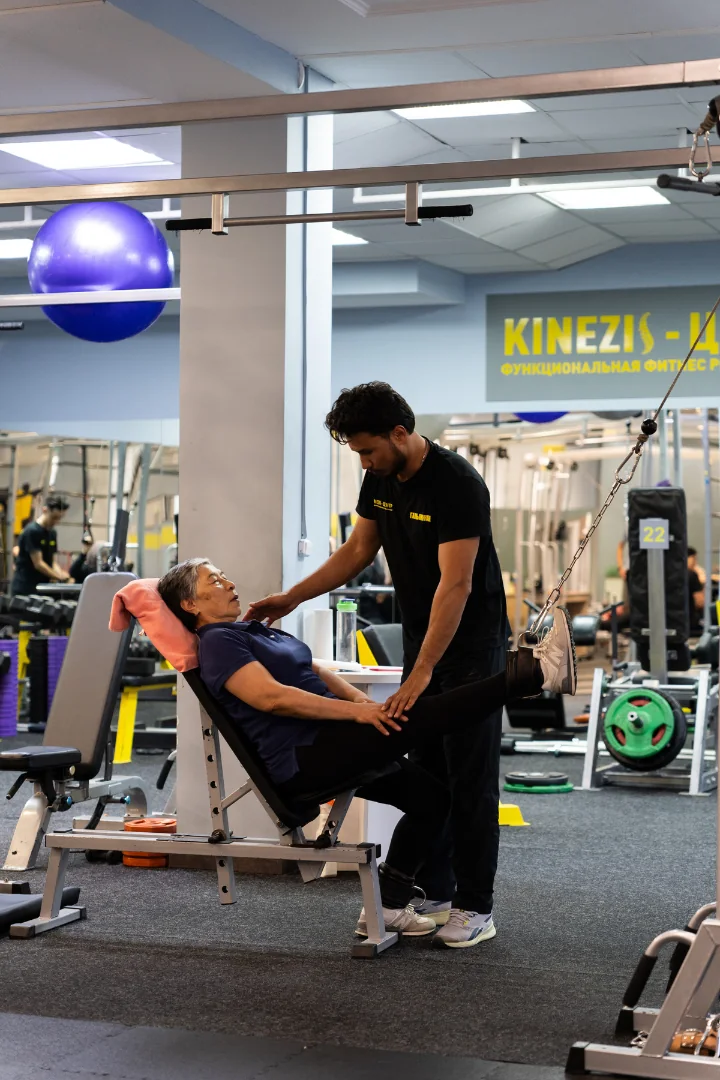
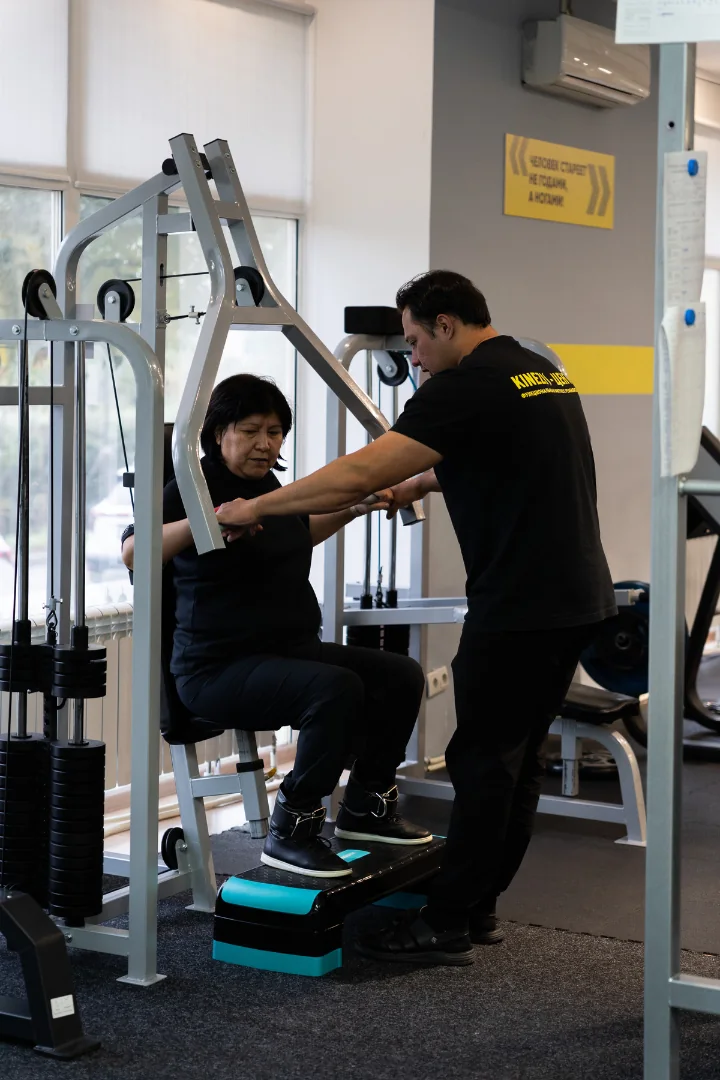
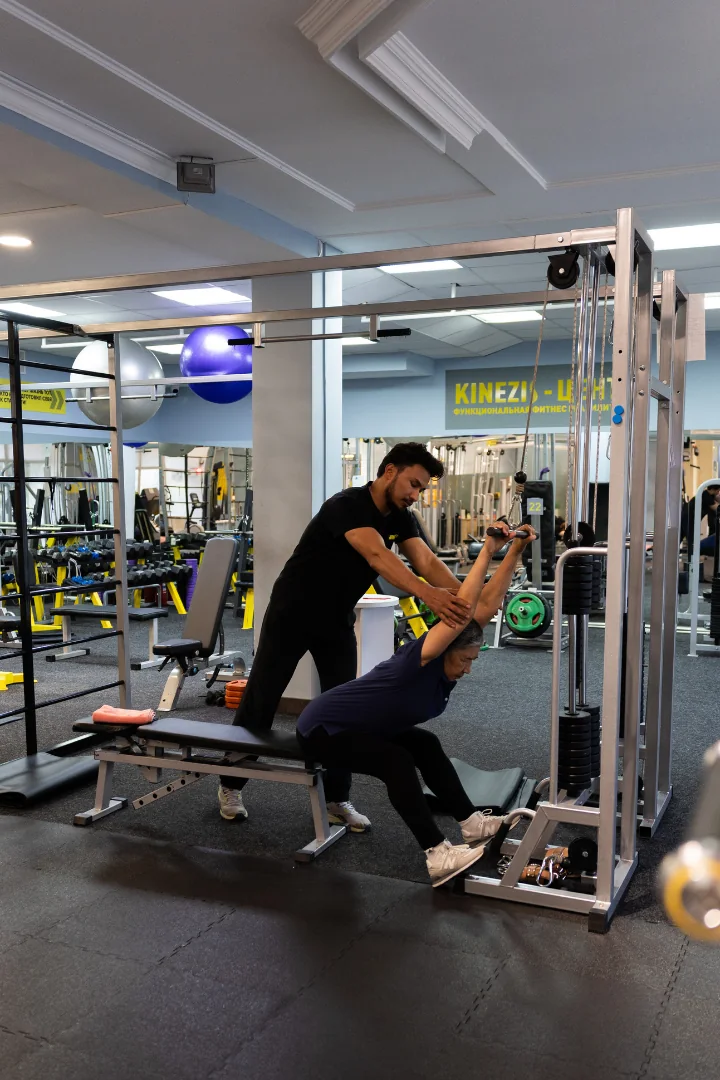
Photo from the class at Kinezis Life on the highway Korgalzhyn, 4, the load is selected taking into account the recommendations of the attending physician.
After immobilization or interruption, it is necessary to discuss the return to movement and normal load.
There is an extract and recommendations of the surgeon, but you need a clear plan for further classes.
It is important to restore specific actions: walk, use your hand, carry household load.
After a leg injury, you want to use the steps more confidently and stop less often.
After a shoulder or arm injury, it’s harder to get dressed, get things out, and do simple things.
I want to understand what exercises can be discussed now and when it is worth returning to the usual load.
First, we look at the discharge, the date and type of intervention, the limitations of the attending physician and the current complaints, assess what movements are available at your stage, and if the conditions for the classes have not yet been determined, we first need to coordinate them with the attending physician.
The doctor compares the recommendations with the ones that are already coming out, like how you put the support on your leg or how freely your arm moves, which helps you choose the task for the next stage.
We specify the permitted support, movements and mode of use of orthoses or crutches, if necessary, please check the appointments with the attending physician.
If the load is allowed, practice the right skill, such as carrying weight with a support, stepping or moving your hand in the available range.
We're going to look at how you get the action and how you carry the load after class, and we're going to talk about the next step, given the constraints.
Exercises for program therapeutic exercise Pick up after the diagnosis by the doctor.
Re-diagnosis
On re-diagnosis, the doctor evaluates which movements have become available and how you carry the agreed load.
For example, if you first had to put both legs on each rung on a ladder, we're going to re-diagnose what's changed and what kind of support is needed, and we're going to match the next challenge with the constraints.
Take your discharge, your surgeon's or trauma surgeon's recommendations, and your test results, and if you're using an orthosis, crutches, or a cane, tell me about it on the record.
If the appointments have changed after the last examination, make up-to-date recommendations. It is important for the doctor to know what movements and loads are already allowed.
At the first visit, the doctor will examine the recommendations and assess what movements can be mastered at your stage, the practical part is carried out if the load is permissible.
You'll discuss what task to start with, what restrictions to follow, and when to review the plan. Choose a convenient center to record.
Korgalzhyn Highway, 4
12 000 ₸Under 18: 9,000 ₸
Zhumeken Nazhimedenov Street, 14/1
18 000 ₸Under 18: 14,500 ₸
There's no single deadline. It depends on the intervention, the healing and the surgeon's recommendations. When you write down, state the date of the operation and the limitations; the start time is determined after a medical evaluation.
The statement, the recommendations of the surgeon or traumatologist, the available results of examinations and information about current appointments, for the practical part, you need comfortable clothes and replaceable shoes.
The previous training does not remove the restrictions after injury or surgery, the load is consistent with the current stage, not just past performance in the sport.
When you write down, let me know what kind of device you're using, and when you do that, your doctor will check your support and movement recommendations, and then explain what kind of training you might have.
Show your doctor's statement at the appointment, and if you need to specify the permitted movements or support, the doctor will tell you what to agree with the attending specialist before class.
Yes, if there are still restrictions on movement or routine, take old conclusions, if there are any, and tell us what's bothering you the most right now.
Tell your doctor what kind of sport you want to return to and what kind of activity level it is supposed to be, and your readiness is assessed by your recovery stage, movement, and the recommendations of your health care provider.