Knees and ladder
It is more difficult to climb stairs, get up after sitting or walk longer.

Joints and mobility
If it becomes more difficult to climb stairs, move your hand, or walk longer, start by evaluating a specialist, and the cause and tolerable load require attention to your condition.
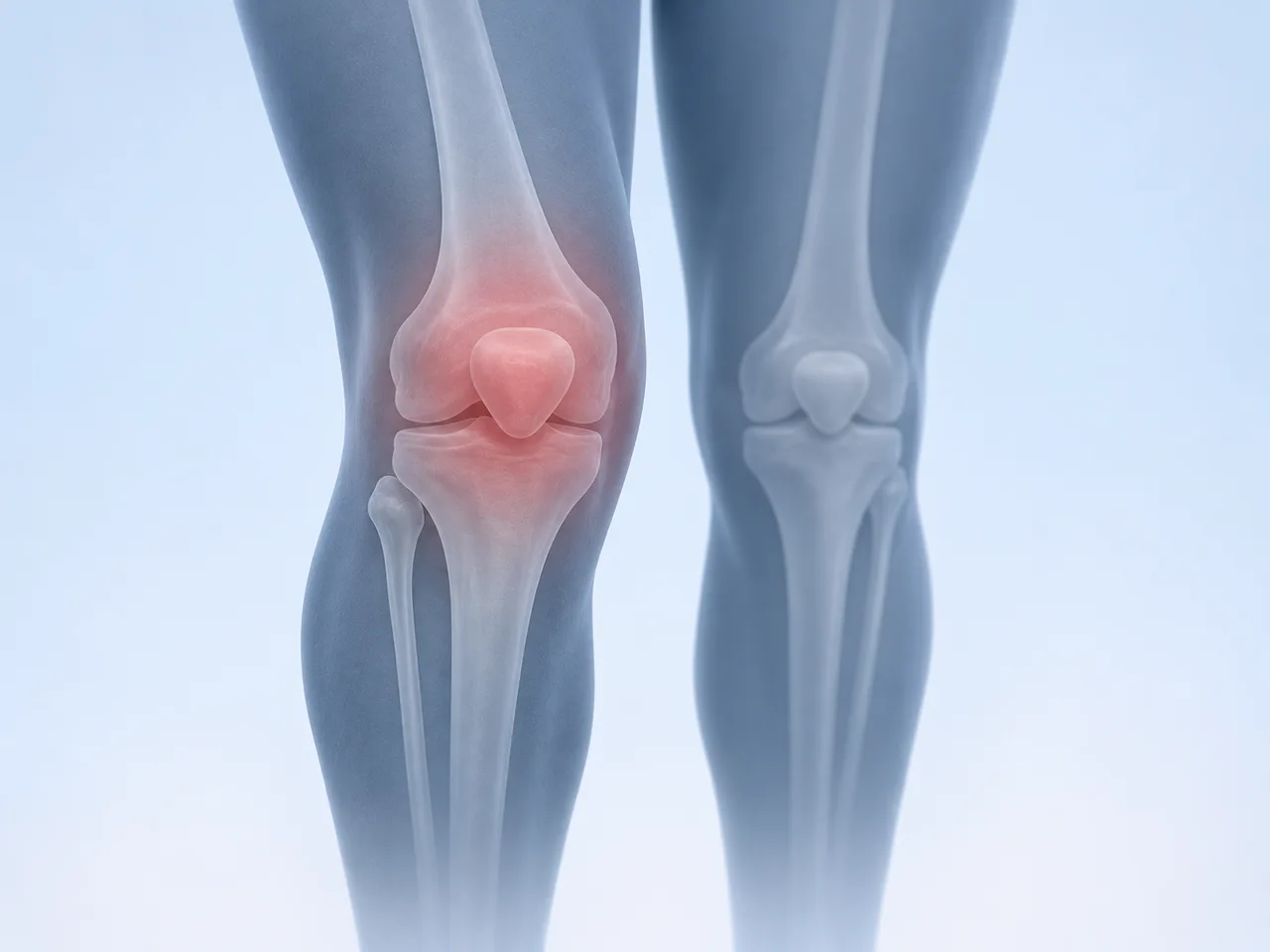
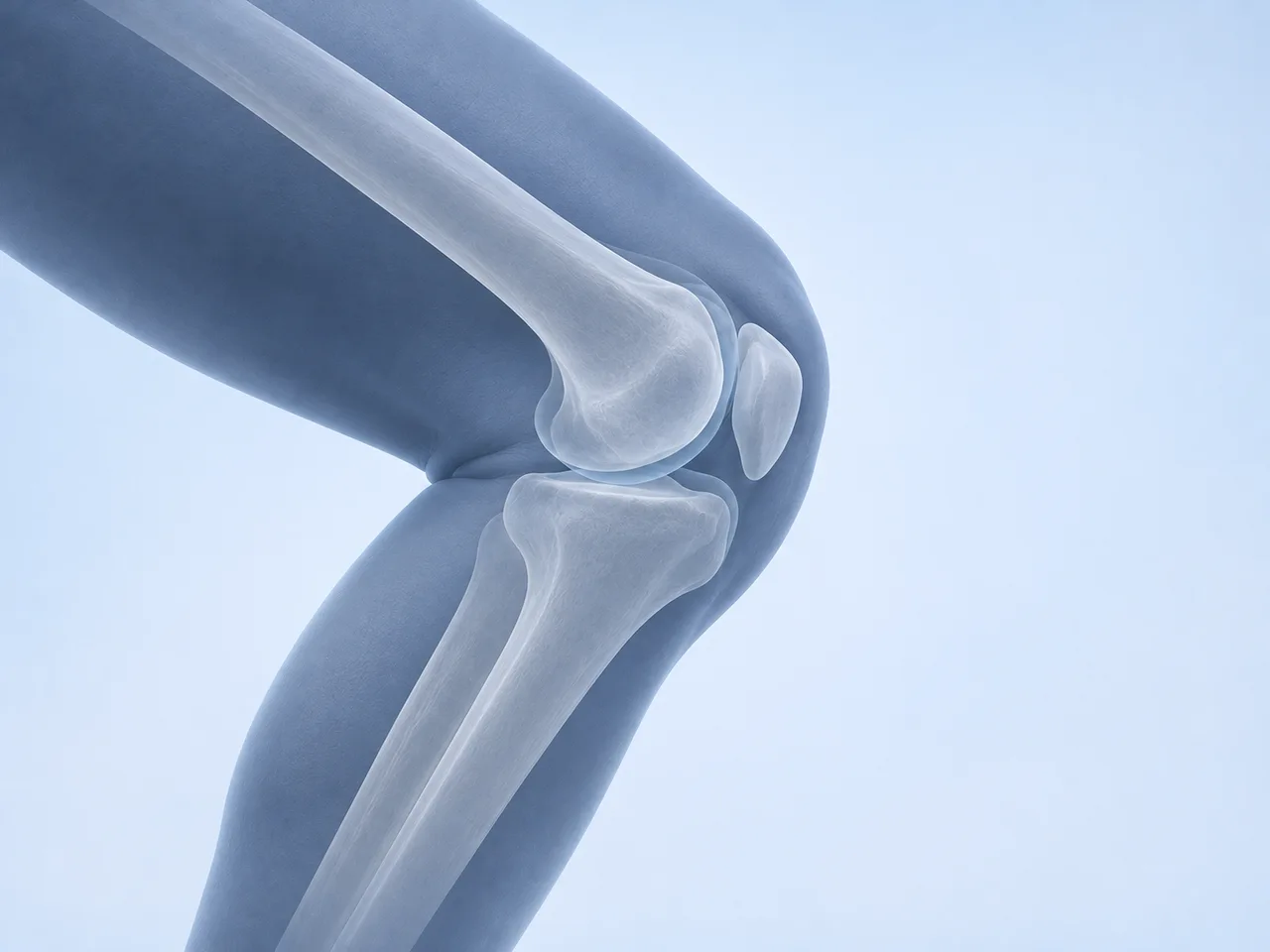
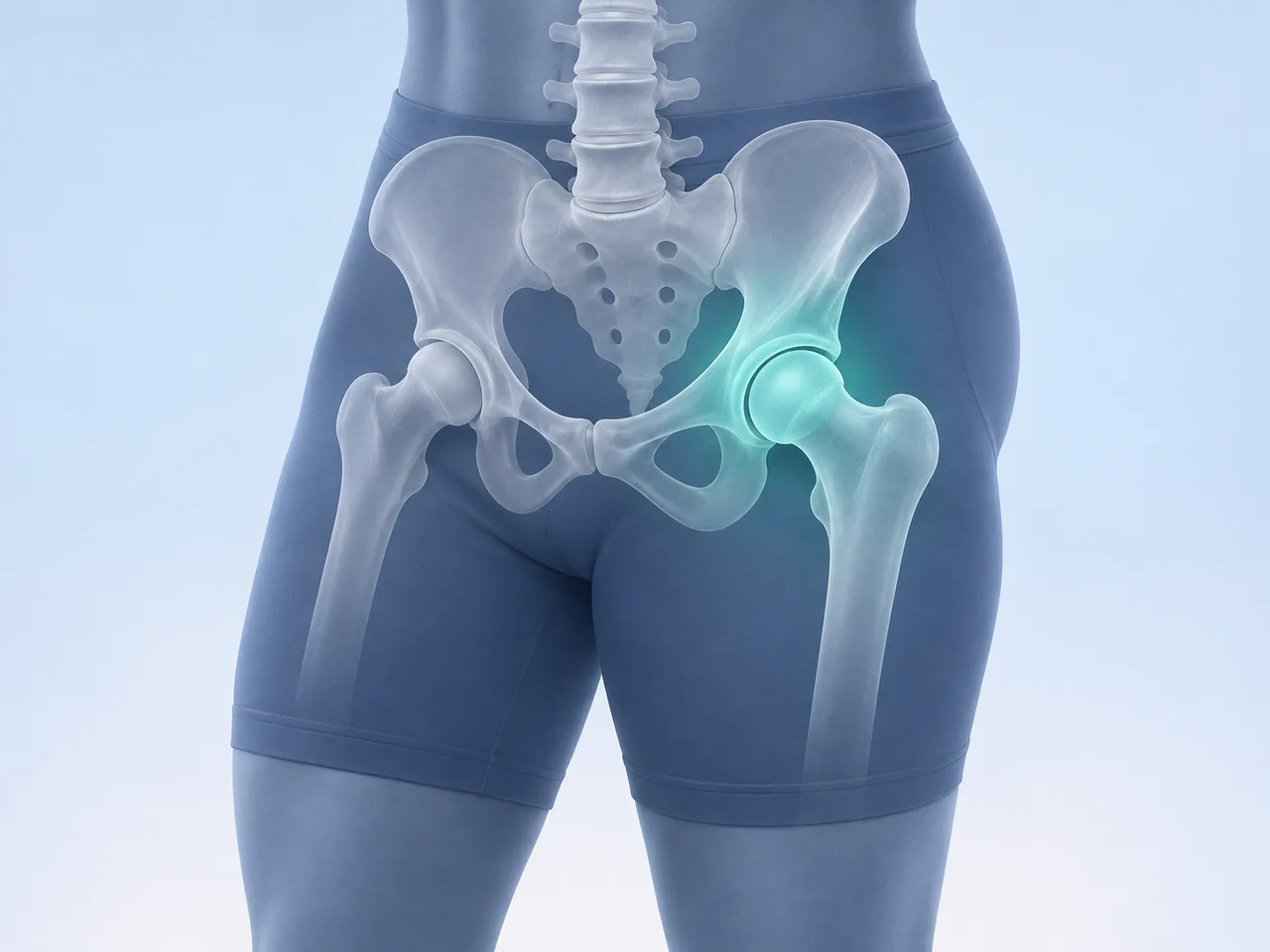
Generated circuits. Red indicates the possible pain zone around the kneecap.
It is more difficult to climb stairs, get up after sitting or walk longer.
Hand lifting, dressing, or working with objects became limited.
It is inconvenient to wear shoes, change position, sit down or endure a normal walk.
The walk or the way to the store has to be shortened due to discomfort in the joint.
When cooking, standing or in line, you want to find a support or sit down.
After a break, I want to work again, but it is difficult to choose the right load.
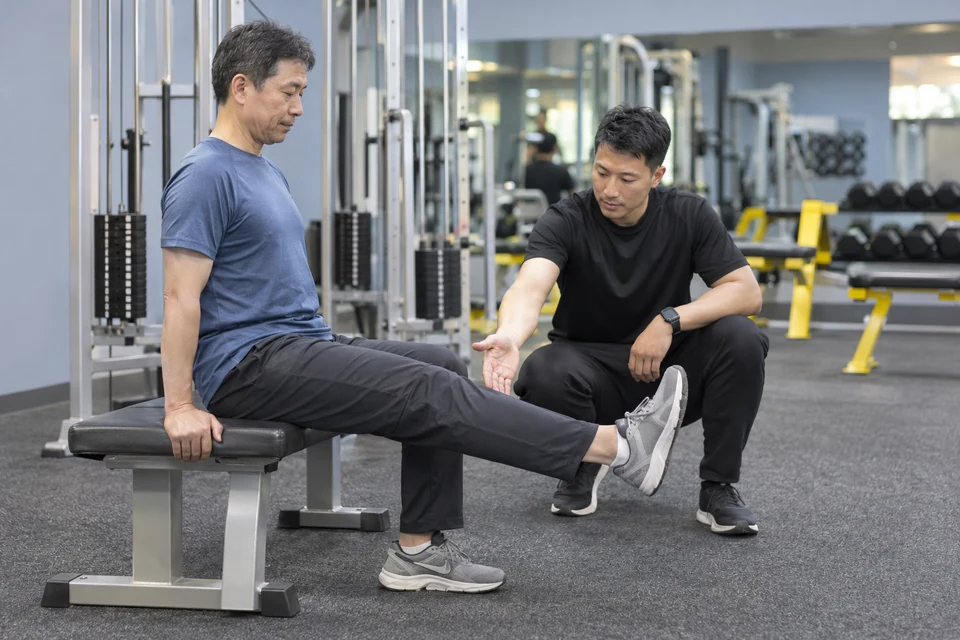
We're going to figure out which joints are bothering you when you're restricted, whether you've had an injury, swelling, or surgery, and the doctor's going to look at your exams, assess your movements and exercise tolerance, and then they're going to pick out specific tasks, like walking, lifting your arm, or standing up.
Depending on the complaint, the doctor looks at how the knee is bent, the arm is raised or the support is transferred to the leg, and the results of the examination help to select the movements for the first session.
We select strength exercises taking into account the state of the joint and available movement.
We work in the agreed range, if necessary, change the position and settings of the exercise equipment.
We correlate classes with your goal, not only with the weight on the exercise equipment.
Exercises for program therapeutic exercise Pick up after the diagnosis by the doctor.
Re-diagnosis
At the re-diagnosis, we assess the available mobility of the joint and discuss how you transfer the usual load.
For example, if the goal was easier to get out of a chair, we compare whether you need hand support and what has changed in your health, and the doctor discusses which exercises to leave and where to change the load.
Tell us when the joint hurts more and what has changed in everyday life. If the joint has already been treated, take the conclusions and recommendations of the doctor.
Report past injuries, surgeries, and swelling after what happens, which is important when choosing a load.
The doctor will clarify what is hindering the movement of the joint, and evaluate the available movements, and if the load is suitable, the specialist will show the first exercise and explain how to perform it.
It's going to show you what kind of movement you can work on and what limitations you need to consider, so you can choose one of two centers to record.
Korgalzhyn Highway, 4
12 000 ₸Under 18: 9,000 ₸
Zhumeken Nazhimedenov Street, 14/1
18 000 ₸Under 18: 14,500 ₸
Selected therapeutic exercises are recommended for osteoarthritis, but the composition of classes depends on the condition. At the appointment, the doctor determines the acceptable format and takes into account the prescribed treatment.
Yes, it's important to take into account the type of surgery, the duration of the surgery and the surgeon's limitations. Take the discharge and the references. The beginning and content of the classes are consistent with these data.
Don't start with a regular exercise session. If you have sudden severe pain, severe swelling, or worsening general well-being, you need a medical evaluation. A scheduled appointment is not a substitute for emergency care.
Take the results if the examination has already taken place, and the doctor will determine the need for new images after the examination and conversation.
At the appointment, list the joints that are bothering you, and name the movement that is bothering you the most, and the doctor will tell you where to start.
Tell your doctor if it's more painful to go up or down, when the pain comes and if you need support, so it's easier to pick up a task for exercise.
Tell the specialist how the joint reacts during and after exercise, and by your response, it can change the amplitude, the resistance, or the number of repetitions.