Kinezis Life Editorial Board
Hip pain when walking
What to tell the doctor about pain in the groin, hip or buttock and how to assess the load when walking and getting up from a chair.
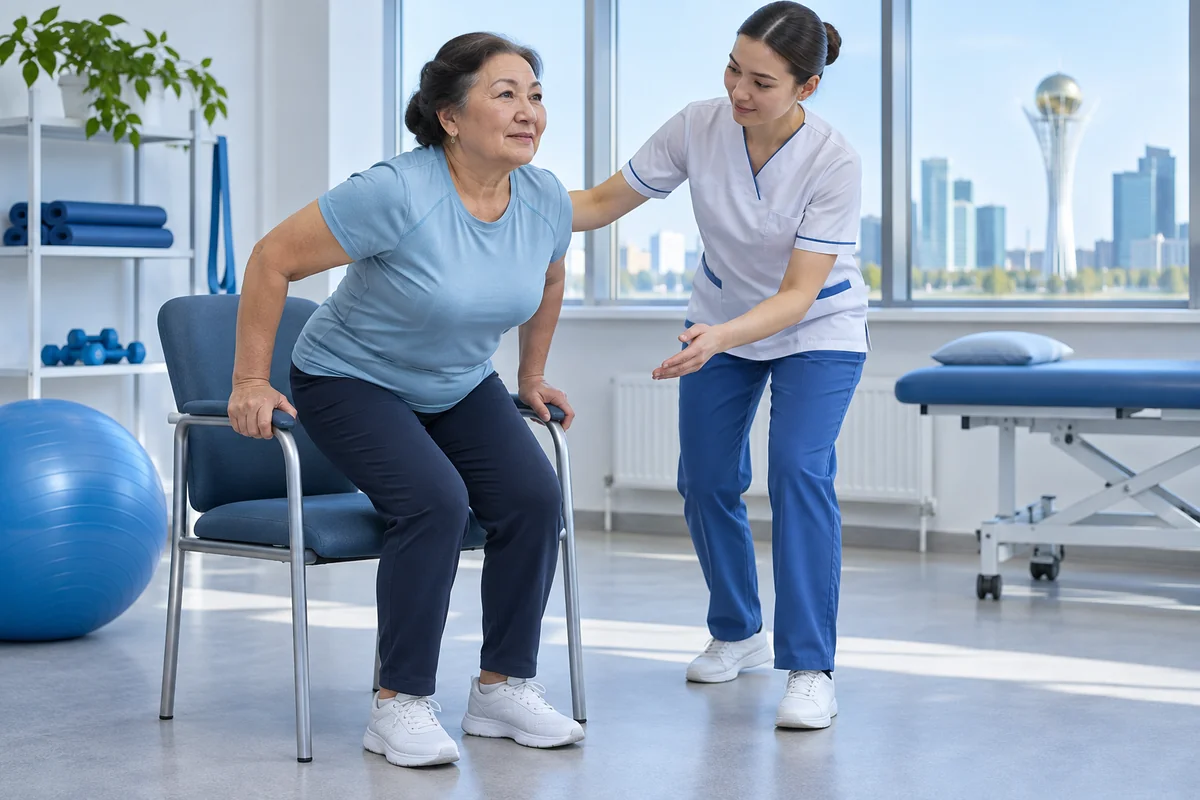
Hip pain can interfere with walking, getting in a car, putting on socks, or getting up from a low chair. The place where the pain is felt helps to start the examination, but does not in itself establish its cause. If you are looking for someone to address with hip pain in Astana, prepare some examples of how your normal movements have changed.
Where it hurts and what causes the symptoms
Show where the pain begins: in the front, in the groin, on the side of the thigh or in the buttocks; note whether it spreads to the knee, whether it interferes with lying on the side and whether it changes after rest; tell if you feel lame, stiff, or feel that the leg is difficult to trust when it is supported.
Think about whether you've had a fall and how quickly you've changed, and if you usually walk to a stop, it's helpful to tell you the distance after which the pain starts, so it's easier for a specialist to compare the condition on the first appointment with the condition on the second evaluation.
When urgent assistance is needed
Seek emergency medical help if you have severe hip pain after a fall or injury and cannot walk or put weight on the leg. Sudden severe pain without an injury also needs urgent assessment, as does a hot, swollen hip with fever or feeling very unwell. Do not wait for a scheduled session if these symptoms occur.
What is checked at a face-to-face consultation
The doctor checks your pain history, evaluates your movements, and then looks at how you walk, carry weight, and get out of your chair. If you already have an X-ray, an MRI, or an orthopedist's report, take them, ask if the test results match your complaints, and if you need additional checks.
It's useful to name a task that's important to you, such as holding a railing with one hand as you climb to your floor, or getting out of the car yourself, which helps describe the limitations more accurately than just measuring pain on a scale.
How to pick up the load in osteoarthritis
NICE recommends fitness-based exercise as one of the primary interventions for osteoarthritis, which may include muscle strength work and general physical activity, and check if this approach is right now, which activity level to discuss first, and when to review it.
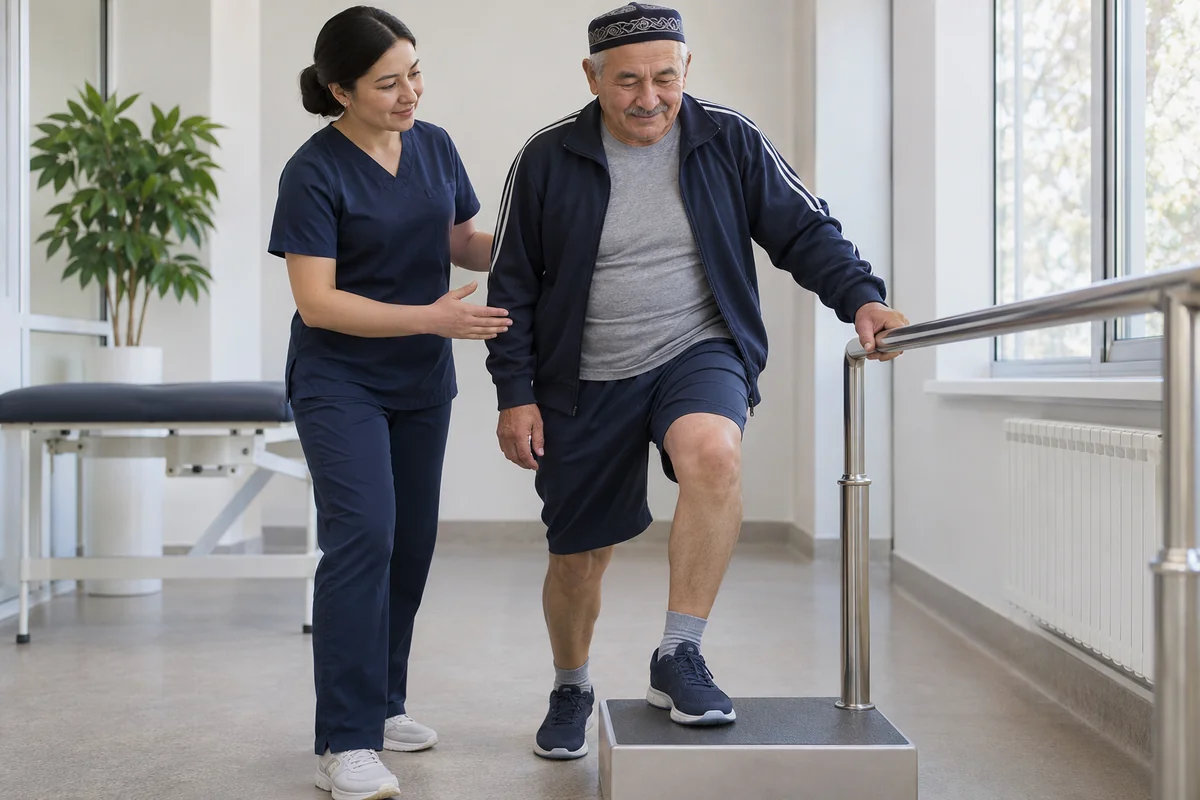
To track changes, choose one repeatable task, which can be walking the same route or getting up from the same chair, noting whether you need support, how often you have to stop, and how your hip feels after exertion.
How to prepare for a visit to Astana
Write down when the pain first appeared, what medications, treatments, or exercises you've tried, and what results you've noticed. Take your previous injuries and surgeries, if any. When you write down, describe what's most restricting you now: walking, stairwelling, or moving after prolonged sitting.
If you are planning a visit to Astana
In the form, choose one of the two Kinezis Life centers, leave a name, phone number and convenient method of communication, the administrator will agree on the time and tell you what to take to the reception.
Sources
The material is informational in nature, the tactics of examination and treatment are determined by the specialist at the appointment.